

Balanced lips in many cases are neglected when building a clean splendor routine. Most mainstream lip ointments include artificial scents, petroleum-based materials, and preservatives that will cause discomfort over time. If you've been coping with dried, chapped, or sensitive lips, converting to a natural lip balm may be the most effective stage you can take. Clean, plant-based formulations nourish the lips without introducing pointless substances in to your daily routine.
Why Chemical-Free Lip Care Actually Works
The skin on your lips is finer and more fine compared to skin on the remainder of one's face. Meaning it absorbs what you may apply—easily and directly. Oil derivatives found in many traditional lotions produce a temporary barrier but don't actually moisturize. Plant-based alternatives like beeswax, shea butter, and grape oil provide true water by binding water to the lips rather than simply finish the surface. The result is sustained softness, not just short-term relief.
Essential Materials That Produce a Lip Balm Really Natural
A genuinely natural lip balm is made on a short, familiar ingredient list. Listed below are those worth searching for:
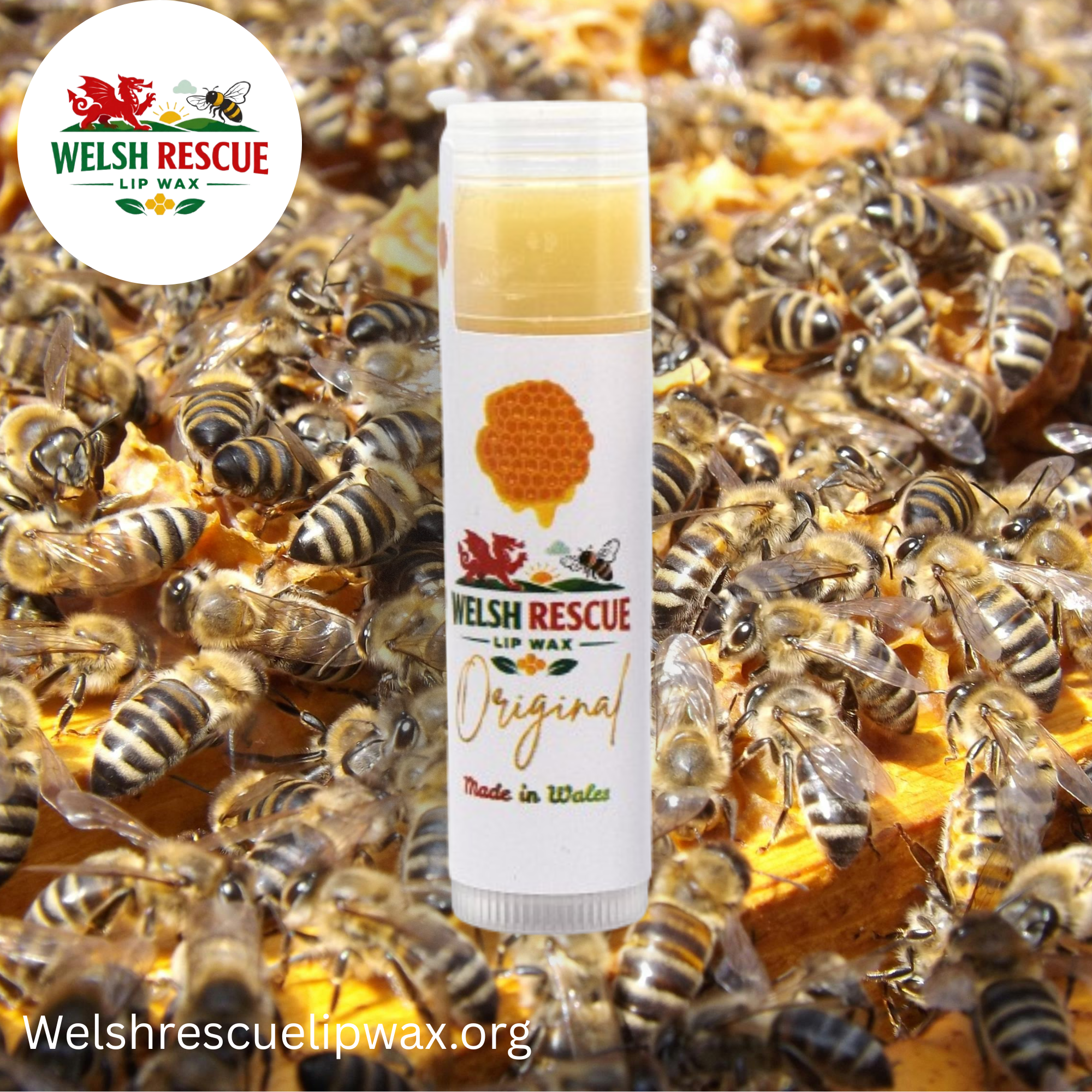
Beeswax types a defensive layer over the lips, locking in water without clogging pores.
Shea butter is full of supplements A and Elizabeth, making it among the most truly effective natural emollients for dry or broken lips.
Grape oil presents antibacterial qualities and touches effortlessly to the skin for fast-absorbing hydration.
Jojoba fat strongly mimics the skin's natural sebum, rendering it exceptionally compatible with sensitive lip tissue.
Supplement E functions as a natural antioxidant, guarding the lips from environmental damage and rapid aging.
When these elements interact, they produce a balm that heals, safeguards, and nourishes without depending on manufactured fillers.
How Frequently Should You Use Natural Lip Balm ?
Uniformity matters. Using a natural lip balm 2-3 times per day—day, midday, and before bed—keeps lips protected throughout the day and allows the ingredients to function overnight. Before any outdoor activity, using a layer with SPF security stops UV-related dryness. Many individuals observe apparent development in lip structure within one to two weeks of creating the switch.
Building a Easy Natural Lip Care Schedule
A clean lip care schedule doesn't need to be complicated. Start with lightly exfoliating the lips once a week applying an assortment of organic honey and brown sugar. This eliminates useless skin and allows your balm to absorb more effectively. Follow-up instantly along with your natural lip balm to close in moisture. During the day, reapply as needed—especially after eating or drinking. At night, a somewhat thicker request provides the materials more time to penetrate and repair.
Keeping hydrated is equally important. Number topical product can completely compensate for low water intake. Consuming enough water each day helps healthy, bloated lips from the inside out.
Often Asked Questions About Natural Lip Balm
Are natural lip ointments secure for sensitive skin ?
Yes. Natural lip balms produced without artificial smells, parabens, or synthetic dyes are usually well-tolerated by painful and sensitive skin. Always check the element list for known allergens like specific crucial oils.
May natural lip balm replace medicated lip remedies?
For gentle dryness and everyday preservation, natural lip balm performs really well. For persistent cracking or medical situations like angular cheilitis, visiting a dermatologist is recommended.
Just how long does a natural lip balm an average of last?
Many natural lip ointments have a display living of 12 to 24 months. Because they don't depend on synthetic additives, holding them in a cool, dry position assists keep their effectiveness.
Is beeswax-based lip balm suitable for vegetarians?
Beeswax can be an animal-derived ingredient. These adhering to a vegan life style should look for creams created using candelilla wax or carnauba wax as plant-based alternatives.